AI Governance
What an LLM Gateway Does—and Why Enterprises Need One
As organizations run more models across more applications, a control layer for access, cost, and policy stops being optional.
6 min readPractical AI and robotics integration for real-world operations.

AI & Robotics Systems Integration
PacificTahoe helps organizations design, integrate, govern, and scale AI, automation, and robotics solutions using the right technologies for the job.
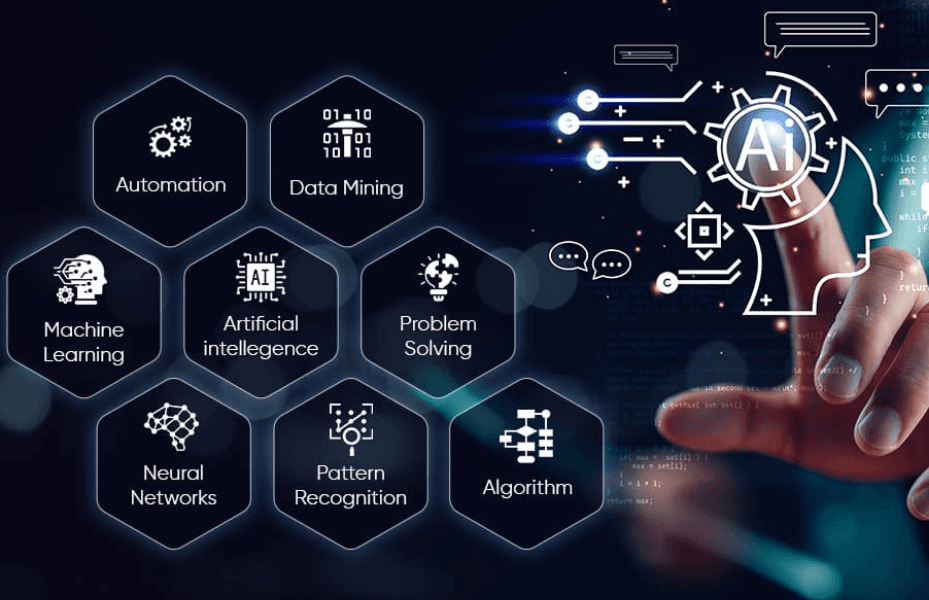
The challenge
Successful AI and automation programs rarely fail because the technology doesn't work. They fail when problem framing, data readiness, integration, governance, operational design, and adoption aren't addressed together.
Solutions
Six areas where AI, automation, and robotics most often need dedicated integration and governance work.
We integrate AI models and applications into existing enterprise environments so they operate reliably alongside — not around — current systems.
We design MCP-based tool integration and LLM gateway architectures that give you a governed, observable layer between models and the systems they touch.
We combine robotic process automation with AI-enabled decisioning to automate business processes end to end, with the oversight to keep them dependable.
We integrate AI with robotics, machines, and sensors so physical operations gain the benefits of automation without giving up human oversight.
We design and deploy edge AI architectures for local, low-latency inference that keeps working when the network doesn't.
We design sovereign AI architectures that give organizations real control over data, models, and infrastructure — matched to their regulatory and operational reality.
How we work
Understand the operational problem, current systems, and data readiness.
Define the target architecture and validate the riskiest assumptions.
Build and connect the solution to your existing systems and operations.
Support, monitor, and continuously improve the solution in production.
Vendor-neutral by design
PacificTahoe assesses and integrates across models, cloud and on-premises environments, data sources, enterprise applications, automation platforms, sensors, devices, robots, and security controls. The right architecture is the one that fits your environment and constraints — not the one that fits a single vendor's product line.
Capabilities
Prioritization and target-state architecture grounded in your operations.
Language-model applications grounded in your data, with defined guardrails.
Standardized, governed connections between AI applications and internal tools.
Centralized routing, policy enforcement, cost visibility, and audit logging.
RPA combined with AI-based judgment for higher-variation processes.
Governance, monitoring, and ongoing support across the AI lifecycle.
Insights
AI Governance
As organizations run more models across more applications, a control layer for access, cost, and policy stops being optional.
6 min readRobotics & Automation
Organizations rarely jump straight to autonomous robotics — the practical path runs through automation and decision support first.
7 min readAI Architecture
The Model Context Protocol offers a standardized way to connect AI applications to enterprise tools and data — but standardization isn't the same as security.
6 min readStart with the operational problem. We will help define the practical path forward.