
Solutions
Robotics & Physical AI
AI that perceives and acts in the physical world introduces integration, safety, and oversight questions that software-only AI does not.
We integrate AI with robotics, machines, and sensors so physical operations gain the benefits of automation without giving up human oversight.
What it is
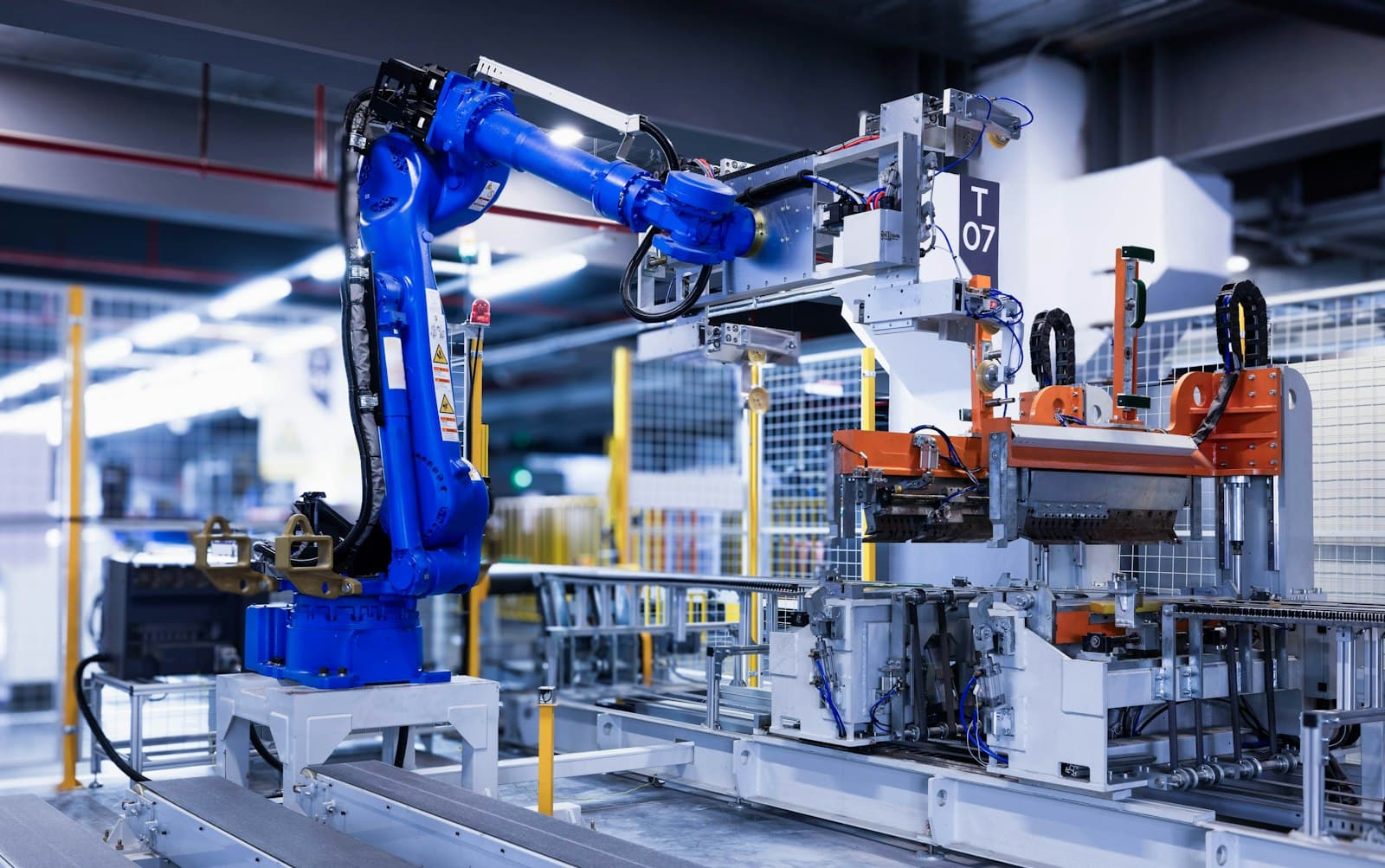
Robotics and physical AI connect AI software — perception, planning, and decision support — to physical systems: robots, industrial machines, cameras, and sensors operating in real environments.
This spans perception (interpreting sensor and camera data), decision support (recommending or constraining actions), and orchestration (coordinating multiple machines or process steps), always alongside the operational systems already running the facility or fleet.
Where it helps
Typical applications include visual quality inspection, predictive and condition-based maintenance support, warehouse and material-handling coordination, and decision support for operators managing complex equipment — always framed as assistance to skilled operators rather than a replacement for them.
What PacificTahoe does
We assess the physical environment, existing equipment, and control systems, then design the integration between AI perception/decision components and the operational technology already in place — PLCs, SCADA, MES, and fleet or facility management systems.
Safety and human oversight are designed in from the start: we define what a system can recommend versus autonomously execute, and where safeguards, interlocks, and manual overrides are required. These systems are built to support human judgment and existing safety protocols, not to operate without them.
- Perception and sensor integration for inspection and monitoring use cases
- Decision-support and orchestration layers for equipment and workflows
- Integration with existing operational technology (PLC, SCADA, MES)
- Safety, interlock, and human-oversight design
Integration considerations
- Existing operational technology, control systems, and safety systems
- Network and connectivity constraints on the plant or field floor
- Maintenance and update processes for deployed hardware and models
Governance & security considerations
- Defined boundaries between AI recommendation and autonomous action
- Safety review and compliance with applicable industrial safety standards
- Human oversight and override paths for every automated action
Exploring AI on the plant or field floor?
We'll help you think through integration, safety, and oversight together.